

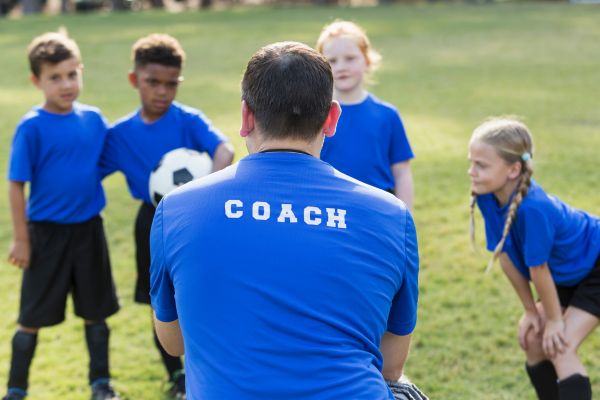
Getting kids excited about sports is one thing, but keeping them engaged long enough to actually build skills? That’s a whole different challenge. The good news is that the right coaching drills for kids can make all the difference. Whether you’re a parent stepping in to help a local team or a coach trying to spice up your regular training sessions, the thing is, kids don’t just want to learn — they want to have fun. And honestly, who can blame them?
The secret lies in blending structured learning with playfulness. When drills feel like games, kids stay focused without realizing how much they’re improving. And let’s be real, coaching kids isn’t just about teaching them to dribble, pass, or sprint. It’s about helping them build confidence, teamwork skills, and resilience that sticks with them for life.
In this guide, we’ll break down the best ways to use coaching drills for kids that feel natural, fun, and genuinely effective.
Why Coaching Drills for Kids Need to Be Fun First
If there’s one golden rule when it comes to training young athletes, it’s this: fun fuels motivation. Kids who feel pressured or overwhelmed tend to shut down. On the other hand, when drills feel like games, something amazing happens — they learn faster, stay energized, and come back wanting more.
You don’t have to sacrifice skill-building to make things enjoyable. In fact, fun is the gateway to better learning. Simple challenges, friendly competitions, and moments of laughter can turn even the most basic drill into something memorable.
When planning coaching drills for kids, think about balance. The sessions should mix physical development, mental engagement, and just enough silliness to keep the environment stress-free. After all, kids remember how things felt even more than what they learned.
The Importance of Age-Appropriate Skill Development
Younger kids aren’t mini adults. Their coordination, attention spans, and understanding of teamwork are still developing. That’s why age-appropriate progression matters.
For example, a drill that works perfectly for ten-year-olds may completely confuse a five-year-old. Younger players thrive on simple movements and high-energy games that help them understand the basics: running, stopping, turning, balance, and ball awareness. As they grow older, you can dial up the complexity — but step by step.
This is where thoughtful coaching drills for kids come in. Effective drills shouldn’t overwhelm them; they should invite kids into movement gradually. A child who feels successful, even with tiny wins, stays engaged longer. And those little wins pile up into real skill.
Using Games to Teach Essential Techniques
One of the easiest ways to make coaching drills for kids stick is by turning technical movements into mini-games. And no, this doesn’t mean complicated setups or hours of planning. Often, the simplest ideas are the most effective.
Take dribbling, for instance. Instead of telling kids to run in straight lines while focusing on control — which gets boring fast — introduce a pretend scenario. Maybe they’re “escaping dinosaurs” or “rescuing treasure” while keeping control of the ball. When kids imagine something bigger than the drill itself, they naturally give more effort.
The same goes for passing, catching, footwork, or defensive movement. When a skill becomes part of a playful challenge, kids pick it up without the usual hesitation. It’s like sneaking vegetables into a meal. They enjoy it, and the benefits show up later.
How to Keep Kids Engaged During Practice
Let’s be honest — attention spans can vanish like magic. One moment kids are totally into a drill, and the next they’re staring at the sky or asking if it’s snack time. Keeping their focus requires variety and pacing.
Switching between activities every few minutes helps prevent boredom from creeping in. But the transitions should feel smooth, not jarring. For example, you might start with a warm-up game, move into a skill-based drill disguised as a challenge, then wrap that up with a short scrimmage where they can try what they just learned.
Another key part of effective coaching drills for kids is encouragement. Kids respond incredibly well to positive reinforcement. A simple “nice try” or “you almost got it” goes further than you think. And yes, it means biting your tongue when you want to correct everything at once. One correction at a time keeps them motivated rather than discouraged.
Finally, allowing moments of freedom during practice helps kids reset. Quick water breaks, silly team chants, or a short jog around the field can bring the energy right back up.
Building Confidence Through Repetition and Variation
Kids need repetition to master skills, but not the kind that feels like a chore. Repetition works best when it’s wrapped inside variation. Changing the scenery slightly or adding small challenges makes the same drill feel new again.
For example, if you’re teaching kicking or shooting, you might vary the distance or angle. If you’re teaching dribbling, you can add gentle obstacles or fun characters they have to “avoid.” These tiny adjustments keep them interested while still letting the core skill sink in.
Confidence grows when kids feel improvement. Even when their progress is slow, the right coaching drills for kids make them believe they’re capable. And that belief becomes the fuel that keeps them practicing long after the session ends.
Creating a Supportive and Positive Team Environment
Kids thrive in environments that feel safe and supportive. When they show up to practice, they want to feel included, seen, and appreciated. As a coach or parent, your tone sets the atmosphere.
This means celebrating small wins and reminding kids that mistakes are okay — actually, more than okay. Mistakes are proof they’re trying. A relaxed environment encourages them to learn without fear.
It also helps to build team spirit. Simple pre-practice routines like group huddles, mini pep talks, or even silly team cheers can strengthen unity. When the group feels connected, the drills run more smoothly because kids naturally encourage each other.
The strength of coaching drills for kids doesn’t come just from the drills themselves but from the environment built around them.
Why Consistency Matters More Than Perfection
Let’s be real: no kid becomes an expert overnight. Progress is slow, sometimes even unnoticeable until one day everything clicks. Consistency beats perfection every single time.
Showing up regularly, practicing the basics, and keeping a positive atmosphere creates long-term success. Kids don’t need fancy drills or professional-level training. They need repetition, play, encouragement, and time.
When kids feel safe to keep trying, the results show up naturally. They grow stronger, more coordinated, and more confident. And honestly, that’s what youth coaching is all about.
Conclusion: Making Coaching Drills for Kids Truly Meaningful
At the end of the day, the best coaching drills for kids are the ones that build more than just physical skill. They create excitement, confidence, teamwork, and a love for the game that lasts far beyond childhood.
When drills are playful, thoughtful, and encouraging, kids don’t just learn — they flourish. They start to believe in themselves, trust their teammates, and look forward to every practice. And really, that’s what makes all the effort worth it.
If you approach each session with patience, creativity, and genuine enthusiasm, you’ll transform simple drills into powerful moments of growth. And those moments become the foundation of young athletes who enjoy the game for all the right reasons.
