

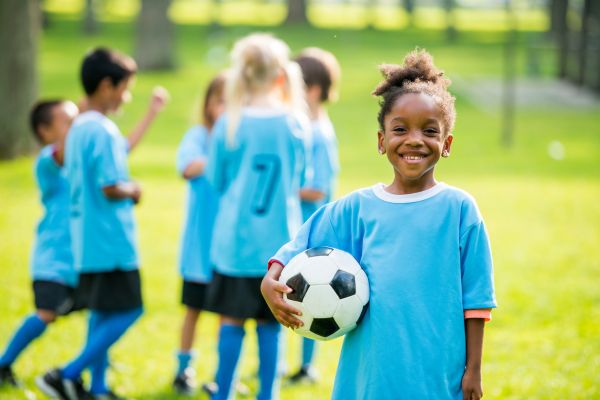
Childhood today looks very different from even a decade ago. Screens compete for attention, schedules are packed, and free play often takes a back seat to structured routines. In this landscape, team sports stand out as something refreshingly human. They bring kids together in shared spaces, ask them to move their bodies, and invite them to learn through doing, not just watching. Understanding the importance of team sports for kids means looking beyond trophies and scoreboards to the deeper lessons that quietly shape who children become.
Team Sports Build Social Skills That Last a Lifetime
One of the most obvious yet underestimated benefits of team sports is how naturally they teach kids to interact with others. On a team, children must communicate, listen, negotiate, and sometimes compromise. These are not abstract lessons delivered in a classroom. They happen in real time, often under pressure, when emotions are high and decisions matter.
A child who struggles to speak up may slowly find their voice when calling for a pass. Another who prefers to dominate may learn, sometimes the hard way, that cooperation matters more than individual glory. Over time, these experiences help kids understand social cues, develop empathy, and learn how to function as part of a group. These skills don’t disappear when the season ends. They carry over into school, friendships, and eventually the workplace.
Learning Responsibility Through Shared Goals
Team sports introduce children to a powerful idea: their actions affect others. Showing up late, skipping practice, or giving up during a game doesn’t just impact one person. It affects the whole team. This sense of shared responsibility is a cornerstone of the importance of team sports for kids.
Unlike individual activities, team environments gently push children to be accountable. They learn that effort matters, even on days when motivation is low. They also learn to rely on others, which can be challenging for kids who are used to doing things on their own. Responsibility in this context isn’t about pressure or guilt. It’s about understanding commitment and following through because others are counting on you.
Emotional Growth Through Wins, Losses, and Everything in Between
Team sports offer a safe space for kids to experience a wide range of emotions. Joy after a hard-fought win. Disappointment after a loss. Frustration when things don’t go as planned. Pride when effort pays off. These emotional ups and downs are not side effects. They are part of the lesson.
Children who participate in team sports learn how to manage emotions in real situations. Losing teaches resilience and perspective. Winning teaches humility and gratitude. Facing setbacks helps kids understand that failure is not the end of the story but part of growth. Over time, they become better equipped to handle challenges beyond sports, from academic stress to personal conflicts.
Physical Health Beyond Basic Fitness
The physical benefits of sports are often the first thing parents think about, and for good reason. Regular participation improves strength, coordination, endurance, and overall health. But the importance of team sports for kids goes beyond simple exercise.
Team sports encourage consistent movement in a way that feels meaningful and enjoyable. Kids are more likely to stay active when they feel connected to teammates and motivated by shared goals. This can help establish lifelong habits around physical activity. Instead of viewing exercise as a chore, children learn to associate movement with fun, connection, and accomplishment.
Confidence Grows Through Belonging and Achievement
Confidence doesn’t always come from being the best. Often, it grows from feeling like you belong and knowing your contribution matters. Team sports provide countless moments where kids can experience both.
A child may not score the winning goal, but they might make a crucial assist, offer encouragement from the sidelines, or improve a skill they once found difficult. Coaches and teammates notice these moments, reinforcing the idea that effort and progress count. Over time, children begin to trust their abilities and take healthy risks, both on and off the field.
This kind of confidence is grounded, not fragile. It’s built through experience, feedback, and the understanding that growth is possible.
Understanding Diversity and Inclusion Through Team Play
Teams often bring together children from different backgrounds, personalities, and skill levels. In these shared spaces, kids learn that differences are not obstacles but strengths. A fast runner, a strategic thinker, and a supportive communicator all play important roles.
Through team sports, children are exposed to perspectives and experiences beyond their own. They learn to respect differences, adapt to various communication styles, and work toward common goals despite disagreements. These lessons are subtle but powerful, especially in a world where division is easy and understanding takes effort.
Developing Discipline Without Rigid Pressure
Discipline in team sports doesn’t usually come from strict rules alone. It develops through routines, expectations, and the natural structure of practices and games. Kids learn to manage their time, balance commitments, and push themselves gradually.
What makes this discipline effective is that it’s tied to something meaningful. Children aren’t just following rules. They’re working toward shared objectives and personal improvement. This makes discipline feel purposeful rather than imposed, helping kids internalize it in a healthy way.
The Role of Coaches as Mentors
For many children, coaches become influential figures outside the family. A good coach models leadership, patience, fairness, and resilience. Through everyday interactions, kids observe how adults handle stress, resolve conflicts, and encourage growth.
These relationships can be especially impactful during formative years. A supportive coach can boost a child’s confidence, while constructive feedback can teach them how to accept guidance without feeling diminished. The lessons learned here often extend far beyond the sport itself.
Team Sports and Academic Balance
There is a common concern that sports may distract from academics, but for many kids, the opposite is true. Team sports can help children develop time management skills and mental focus. Having structured activities encourages planning and prioritization.
Physical activity also supports cognitive health. Movement has been shown to improve concentration, memory, and mood. When kids feel physically engaged and emotionally supported, they are often better equipped to handle academic challenges.
Why the Experience Matters More Than the Outcome
It’s easy to get caught up in scores, rankings, and performance. But the true importance of team sports for kids lies in the experience itself. The friendships formed, the lessons learned, and the moments of growth matter far more than any result on the scoreboard.
When adults focus on effort, learning, and enjoyment, kids are more likely to develop a positive relationship with sports. This mindset helps prevent burnout and keeps the emphasis on personal and collective development rather than external validation.
A Reflective Conclusion on Team Sports and Childhood
Team sports are not a cure-all, and they’re not the right fit for every child. But for many kids, they offer something deeply valuable: a place to grow alongside others. The importance of team sports for kids shows up in quiet ways. In the confidence of a shy child who finds their place. In the resilience of a team that keeps trying after a loss. In the friendships that extend beyond the field.
At their best, team sports teach children how to be part of something bigger than themselves. They learn to move, to feel, to connect, and to grow. These lessons don’t fade with time. They become part of who a child is, long after the final whistle blows.
