

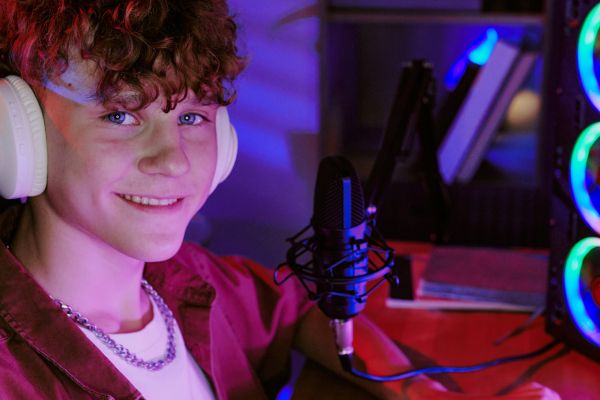
The idea of becoming a successful streamer has changed dramatically over the past few years. What worked even two years ago feels outdated now, and in 2026, the platform is more crowded, more algorithm-driven, and more community-focused than ever. If you’re trying to figure out how to grow on Twitch 2026, you’re not alone—and the answer isn’t as simple as just “stream more.”
Growth today is less about grinding hours and more about building something people actually want to return to. It’s about personality, consistency, smart content, and understanding how attention works across platforms.
Let’s take a closer look at what actually works right now.
The Twitch Landscape in 2026 Feels Different
Twitch is no longer just a gaming platform—it’s a live entertainment ecosystem. You’ll find everything from casual chatting streams to live tutorials, music sessions, fitness streams, and even niche hobbies like coding or digital art.
But here’s the reality: discoverability is still tough.
The homepage doesn’t magically push new streamers into the spotlight. Most viewers still discover streamers through external platforms or recommendations. That means relying only on Twitch to grow is a slow game.
Understanding this shift is the first step in learning how to grow on Twitch 2026. Growth doesn’t start on Twitch anymore—it starts outside it.
Content Beyond Twitch Is No Longer Optional
If you’re not creating content outside your streams, you’re limiting your reach.
Short-form content, especially on platforms like TikTok, YouTube Shorts, and Instagram Reels, has become one of the most effective ways to attract new viewers. Clips from your stream—funny moments, intense gameplay, relatable reactions—can travel far beyond your current audience.
The key isn’t just posting clips randomly. It’s about packaging moments in a way that makes someone stop scrolling. A good hook in the first few seconds can make all the difference.
In 2026, many growing streamers spend as much time shaping content for other platforms as they do streaming. It might feel like extra work, but it’s actually what fuels Twitch growth.
Personality Is Still the Strongest Differentiator
There are thousands of streamers playing the same games or discussing similar topics. What makes someone stay isn’t the game—it’s the person behind it.
Viewers are drawn to authenticity. That doesn’t mean you need to be loud or over-the-top. It means being comfortable in your own style, whether that’s calm, humorous, analytical, or chaotic.
Trying to copy popular streamers rarely works. Audiences can sense when something feels forced. Growth happens when your personality becomes recognizable, even in short clips.
In a crowded space, being “yourself but clearer” is more effective than trying to be someone else.
Consistency Builds Trust, Not Just Numbers
Consistency isn’t just about streaming every day. It’s about showing up when people expect you.
A clear schedule—even if it’s only three days a week—helps viewers build a habit around your content. Random streaming might feel flexible, but it makes it harder for people to return regularly.
There’s also consistency in tone and content. If your streams constantly shift in style or focus, it can confuse your audience. People tend to follow creators who feel predictable in a good way.
In 2026, reliability matters more than frequency.
Community Matters More Than Viewer Count
A small, engaged chat can be more powerful than a large, silent audience.
Many streamers chase numbers—followers, concurrent viewers, subs—but real growth comes from building a community. When viewers feel seen and included, they stick around longer and often become your strongest promoters.
Simple things make a big difference. Remembering usernames, responding to messages, and creating inside jokes can turn casual viewers into regulars.
Communities grow organically when people feel like they belong, not when they’re treated like numbers on a screen.
Choosing the Right Category Still Matters
Streaming in oversaturated categories can make it harder to get noticed, especially if you’re new.
That doesn’t mean you should avoid popular games entirely, but it helps to be strategic. Mid-sized categories often offer a better balance—enough viewers to grow, but not so many streamers that you get buried.
Some creators also mix content. They might stream a popular game occasionally but focus on less crowded categories where they can stand out.
In 2026, smart positioning is just as important as effort.
Stream Quality Is Expected, Not Impressive
There was a time when just having decent audio and video gave you an advantage. That’s no longer the case.
Basic quality is now the baseline. Clear audio, stable video, and minimal lag are expected by viewers. Poor quality doesn’t just look unprofessional—it actively drives people away.
But here’s the interesting part: you don’t need expensive gear.
Many successful streamers use simple setups but focus on clarity and consistency. Good lighting, a decent microphone, and a stable internet connection go a long way.
It’s not about perfection—it’s about removing distractions so people can focus on you.
Interaction Beats Performance
Streaming isn’t just about what you do—it’s about how you involve your audience.
Highly interactive streams tend to grow faster because viewers feel like participants rather than spectators. Asking questions, reacting to chat, and letting viewers influence parts of the stream can make the experience more engaging.
Even during quiet moments, talking through your thoughts or narrating what you’re doing helps maintain connection.
Silence is one of the fastest ways to lose viewers. Engagement, even in small ways, keeps people invested.
Trends Change Faster Than Ever
What works today might not work in six months.
Streaming trends shift quickly—new games rise, content styles evolve, and audience preferences change. Staying aware of these shifts helps you adapt without losing your identity.
That doesn’t mean chasing every trend blindly. It means observing what resonates and finding ways to incorporate it naturally into your content.
The streamers who grow consistently are the ones who evolve without completely reinventing themselves every few weeks.
Collaboration Opens Doors
Working with other streamers can introduce you to new audiences in a natural way.
Collaborations don’t have to be large-scale events. Even casual co-streams or shared content moments can create opportunities for growth. The key is to collaborate with people who have a similar vibe or audience.
Forced collaborations rarely work. Genuine interactions, on the other hand, often feel more engaging and memorable.
In 2026, networking isn’t just about exposure—it’s about building relationships within the streaming space.
Patience Is Still Part of the Process
Growth on Twitch rarely happens overnight.
Even with the right strategy, it takes time to build momentum. Some days will feel slow. Some streams might not perform well. That’s part of the process.
The creators who succeed are usually the ones who keep going, refine their approach, and stay consistent over time.
It’s easy to compare yourself to others, especially when you see rapid growth stories online. But those stories often skip the slow beginnings.
Real growth tends to be gradual—and that’s completely normal.
Conclusion
Figuring out how to grow on Twitch 2026 isn’t about finding a single trick or shortcut. It’s about understanding how the platform has evolved and adapting to it in a thoughtful way.
Growth today comes from a combination of strong content, consistent presence, genuine interaction, and smart use of external platforms. It’s less about chasing numbers and more about building something people want to return to.
If there’s one thing that stands out, it’s this: the streamers who grow are the ones who stay human in a space that’s becoming increasingly competitive. They connect, adapt, and keep showing up—not perfectly, but consistently.
And in the long run, that’s what makes the difference.
