

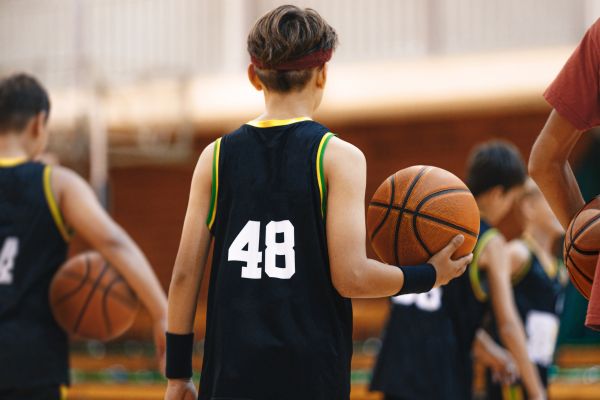
Understanding the Mind Behind the Athlete
Youth sports are often seen through the lens of practice schedules, uniforms, match days, and scoreboards. Parents rush from school pickups to training sessions, pack snacks, cheer from the sidelines, and hope their child enjoys the experience. But beneath all the movement and noise, there is another part of sports that matters just as much as physical skill: the child’s mindset.
The mental side of youth sports can shape how kids handle pressure, disappointment, confidence, teamwork, and even their own self-worth. A young athlete may have natural talent, but if they feel anxious, afraid of mistakes, or desperate to please adults, the game can quickly become stressful instead of joyful. That is why youth sports psychology tips are not only useful for coaches or professionals. Parents need them too.
The goal is not to turn every child into an elite competitor. Most children will not become professional athletes, and that is perfectly fine. The real value of sports often sits in the life lessons: resilience, patience, focus, courage, humility, and emotional balance. Parents can either support those lessons or accidentally make them harder. Usually, it comes down to the small things said and done before, during, and after the game.
Focus on Effort Before Outcome
One of the healthiest things parents can do is praise effort more than results. Winning feels good, of course. Scoring a goal, hitting a personal best, or making the team can be exciting. But when children feel that success is only measured by outcomes, they may begin to fear failure.
A better approach is to notice the process. Did they keep trying after a mistake? Did they listen to the coach? Did they support a teammate? Did they show up even when they felt nervous? These moments tell you far more about growth than the final score.
When parents focus on effort, children learn that they are valued for more than performance. They begin to understand that improvement is built over time, not handed out instantly. This helps them stay motivated even when progress feels slow.
A simple “I loved how hard you worked today” can do more for a child’s confidence than a long speech about what they should have done differently.
Let Mistakes Stay Normal
Mistakes are part of every sport. A missed shot, a dropped ball, a poor pass, a slow start, a wrong decision under pressure — these things happen at every level. Yet many young athletes treat mistakes like disasters because they worry about disappointing adults.
Parents can help by making mistakes feel normal. Not ignored, not celebrated in a fake way, but accepted as part of learning. When a child makes an error, they need to know that home is still a safe place. Their worth has not changed. Their parents are not embarrassed by them.
This matters because fear of mistakes can freeze young athletes. They stop taking chances. They play carefully instead of freely. They become more focused on avoiding criticism than developing skill.
After a tough game, it is often better to give space before offering feedback. Children usually know when they made a mistake. What they need first is emotional calm. Later, when they are ready, they can talk about what they learned and what they want to try next time.
Watch the Ride Home Conversation
For many young athletes, the car ride home becomes one of the most memorable parts of sports. It can either feel comforting or exhausting. Some children dread it because they know a full review is coming before they have even had time to breathe.
Parents often mean well. They want to help. They saw things from the sideline and want to share advice. But immediately after a game, especially a difficult one, a child may not be ready for analysis.
A softer opening works better. Ask how they feel. Ask what they enjoyed. Or simply let the car be quiet for a while. Sometimes the best youth sports psychology tips are not complicated at all; they are about knowing when not to speak.
When children feel safe after performance, they are more likely to open up honestly. They may talk about nerves, frustration, pride, or confusion. That conversation is much more useful than a parent-led breakdown of every missed opportunity.
Keep Your Sideline Energy in Check
Sidelines can be emotional places. Parents get excited, tense, proud, frustrated, and sometimes far too involved. Children notice more than adults think. They see facial expressions, hear comments, and sense disappointment.
A parent’s sideline behavior can affect a child’s mental state during play. Loud instructions from the side may confuse them, especially if the coach is saying something different. Criticism, even when not directed at the child, can make the whole environment feel stressful. Complaining about referees, other players, or coaching decisions can also teach kids to blame instead of adapt.
Supportive sideline energy is steady. Cheer effort. Encourage the team. Stay respectful. Let the coach coach, and let the child play.
Young athletes perform better when they are not trying to manage their parent’s emotions at the same time as the game.
Help Children Build Their Own Motivation
It is natural for parents to want their children to succeed. But sports become healthier when motivation comes from inside the child, not only from adult expectations. A young athlete should feel some ownership over their journey.
Ask them what they want from the sport. Do they want to improve a specific skill? Make friends? Get stronger? Compete seriously? Have fun after school? Their answer may not match what a parent imagined, and that is okay.
When children feel ownership, they are more likely to stay engaged. They learn to set goals, manage effort, and take responsibility. If everything is pushed by parents, sports can start to feel like another assignment.
This does not mean parents should step away completely. Children still need support, structure, and encouragement. But there is a difference between guiding and controlling. The healthiest path usually sits somewhere in the middle.
Teach Pressure as a Feeling, Not a Threat
Pressure is part of sports. A close game, a big tournament, a tryout, or even performing in front of others can make a child nervous. Many young athletes think nerves mean something is wrong. Parents can help reframe that feeling.
Nervousness often means the child cares. Their body is preparing for action. Their heart beats faster, their focus sharpens, and their energy rises. Instead of saying, “Don’t be nervous,” it may help to say, “It’s normal to feel nervous before something important.”
This small shift can reduce fear. Children learn that pressure is not an enemy. It is a feeling they can work with.
Breathing routines, simple pre-game rituals, and positive self-talk can also help. A child might repeat a short phrase like “stay calm and play” or “one play at a time.” It does not need to be dramatic. Small mental habits, practiced regularly, can make competition feel more manageable.
Separate the Child From the Performance
One of the most important lessons in youth sports psychology is that a child is not their performance. They may play well one day and poorly the next. They may win, lose, start, sit, improve, struggle, or change interests altogether. None of that should define their value.
Parents can protect this boundary by showing consistent affection regardless of results. The child should not feel more loved after a win or less accepted after a bad game. This may sound obvious, but children are sensitive. They pick up on tone, attention, and mood.
When identity becomes too tied to sports, setbacks can feel much heavier. A poor performance may feel like personal failure. A lost position may feel like losing who they are. Keeping sports in perspective helps children stay emotionally balanced.
They are athletes, yes, but they are also students, siblings, friends, artists, readers, helpers, jokers, thinkers, and growing people with many sides.
Encourage Rest Without Guilt
More is not always better. Young athletes need rest, play, sleep, and time away from organized competition. Constant training can lead to burnout, especially when a child feels they are not allowed to pause.
Rest supports both body and mind. It gives children time to recover from pressure and reconnect with other parts of life. A child who gets breaks may return to the sport with more energy and enjoyment.
Parents should watch for signs of emotional fatigue. A child who once loved practice may become irritable, withdrawn, overly anxious, or suddenly uninterested. Sometimes this is temporary. Sometimes it is a sign they need a lighter schedule or a real conversation.
Taking a break does not mean a child is lazy or uncommitted. It may be exactly what helps them stay healthy.
Support the Coach Relationship Wisely
Parents and coaches both influence a young athlete’s mindset. When that relationship works well, children benefit from clear guidance and emotional stability. When adults are in constant conflict, kids often feel caught in the middle.
Parents should encourage children to communicate with their coach when appropriate. If they are confused about their role or want feedback, they can learn to ask respectful questions. This builds confidence and responsibility.
Of course, parents should step in if there is harmful behavior, bullying, humiliation, or unsafe coaching. But for normal sports challenges, it helps to let children practice speaking up and solving problems.
This is one of those quiet lessons sports can teach beautifully. Young people learn how to listen, ask, adjust, and advocate for themselves.
Conclusion
Youth sports can be a powerful space for emotional growth, but the experience depends greatly on the adults around the child. Parents do not need to be sports psychologists to make a positive difference. They simply need to be thoughtful, steady, and aware of how their words and reactions shape a young athlete’s confidence.
The best youth sports psychology tips are often rooted in common sense: praise effort, normalize mistakes, stay calm on the sidelines, protect the child’s self-worth, and remember that sports are only one part of a young life. When parents keep the experience balanced, children are more likely to enjoy the game, handle pressure, and carry those lessons into the world beyond the field.
