

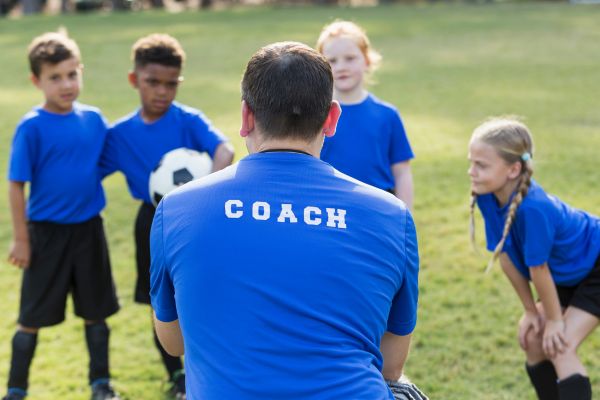
Coaching youth soccer looks simple from the sideline. Set out a few cones, divide the players into teams, and let the game begin. Once you are responsible for a group of energetic children, however, the role becomes much more layered. A youth coach teaches technical skills, organizes practices, manages different personalities, communicates with parents, and helps children build confidence.
Winning may be part of the experience, especially as players get older, but it should not control everything. A good youth soccer environment gives children room to learn, compete, make mistakes, and enjoy belonging to a team. Understanding that balance is the foundation of effective coaching.
Start With the Players’ Age and Ability
The best way to understand how to coach youth soccer is to begin with the children in front of you. A practice designed for teenagers will not work for six-year-olds, while older players may quickly lose interest in activities that feel too simple.
Young beginners need short explanations, frequent movement, and plenty of contact with the ball. Their coordination is still developing, so even basic tasks such as dribbling in a straight line can be challenging. At this stage, enjoyment and familiarity with the ball matter more than detailed tactical instruction.
Older or more experienced players can handle longer activities and more complex decisions. They may be ready to work on positioning, combination play, defensive shape, and transitions between attack and defense. Even then, sessions should remain active. Children generally learn soccer more effectively by playing than by listening to a lengthy speech.
Create a Positive Team Environment
Players learn faster when they feel comfortable attempting something new. If every mistake leads to criticism, children may begin choosing the safest option instead of developing their skills. Some will stop asking questions, while others may become reluctant to receive the ball.
Set a tone in which effort, concentration, and improvement are noticed. This does not mean praising everything or pretending poor effort is acceptable. Feedback should be honest, but it can still be constructive. Instead of telling a player that a pass was terrible, explain what they could look for next time. A small adjustment is usually more useful than a public lecture.
The coach’s behavior sets the emotional temperature of the team. Remaining calm after a defeat, treating officials respectfully, and giving every player attention demonstrate standards that children can follow. They notice far more than adults sometimes realize.
Plan Practices With a Clear Purpose
A productive practice does not require an elaborate collection of drills. It needs a central idea. One session might focus on dribbling into open space, while another could develop passing, defending, finishing, or supporting the player with the ball.
Begin with an activity that gets everyone moving and includes a ball whenever possible. From there, introduce a game related to the session’s main theme. Finish with a small-sided match that allows players to apply what they have practiced in a more natural situation.
Activities should connect rather than feel like unrelated exercises. If the theme is passing and movement, for example, the final game could reward players for creating passing angles or combining with teammates. The game still feels like soccer, but its structure encourages the lesson to appear.
Preparation also reduces wasted time. Cones, bibs, balls, and goals should be ready before players arrive when possible. Long pauses invite distraction, particularly among younger groups.
Keep Instructions Short and Practical
Coaches often understand their own explanation because they already know what the activity is supposed to look like. Children are hearing it for the first time. A detailed speech about every rule and possible situation can leave them more confused than prepared.
Explain the basic objective, demonstrate it quickly, and let the players begin. Additional details can be introduced once the activity is moving. If something is not working, pause briefly, correct one important point, and restart.
Questions can also help players think. Asking, “Where could you move to help your teammate?” encourages observation and decision-making. Simply giving the answer may solve the immediate moment, but it does not always teach players how to recognize a similar situation later.
Use Small-Sided Games to Increase Learning
Children do not develop much when they spend most of practice standing in a line. Small-sided games create more touches, passes, shots, defensive actions, and decisions for every participant.
A three-against-three or four-against-four game keeps players close to the action. There is less space to hide, and each child has more opportunities to influence play. Small teams also make common soccer ideas easier to see, including width, support, pressure, and movement into space.
The coach does not need to interrupt every mistake. Allow the game to continue long enough for players to solve some problems independently. Well-designed activities can teach quietly. Changing the size of the field, adding target zones, or adjusting team numbers may produce the desired behavior without constant verbal direction.
Teach Skills Through Realistic Situations
Isolated technical work has value, particularly when introducing a new movement, but skills need to transfer into matches. A player may pass accurately between two stationary cones and still struggle when an opponent applies pressure.
Gradually add decisions to technical activities. A dribbling exercise can include a defender. A passing activity can ask players to choose between two targets. A shooting exercise can begin with movement or pressure instead of providing the same perfect setup every time.
Young players need repetition, but repetition does not have to mean performing an identical action without thought. Soccer is unpredictable. Training should help children adjust their technique to changing distances, angles, teammates, and opponents.
Give Every Player Meaningful Attention
Youth teams often contain a wide range of confidence and ability. The strongest players naturally attract attention because they influence games, but less experienced children may need coaching even more.
Avoid allowing the same players to dominate every activity. Adjust teams when necessary and create situations in which quieter players receive the ball. Rotation can help children explore different positions instead of being labeled too early as a defender, midfielder, or forward.
Playing time should follow the team’s stated philosophy and competition level, but expectations must be clear. At developmental ages, meaningful participation is essential. A child cannot learn match decisions while spending nearly every game on the sideline.
Individual feedback should be specific. “Well done” is encouraging, but “You looked up before making that pass” tells the player exactly what to repeat.
Handle Match Day With Perspective
Games can reveal what players understand, but they are not final examinations. Young athletes will make misplaced passes, lose their positions, and forget instructions. These moments are part of development.
Try not to control every movement from the touchline. Constantly shouting where to run and when to pass can turn players into remote-controlled pieces. Offer useful reminders, but leave space for independent choices. Sometimes the wrong decision becomes the lesson a child remembers best.
Halftime should remain focused and manageable. Players rarely absorb a long list of corrections while tired and emotional. Highlight one or two useful points, reinforce something positive, and send them back with a clear idea.
After the match, avoid delivering an immediate detailed analysis. A short, calm message is usually enough. More thoughtful learning can happen at the next practice.
Communicate Clearly With Parents
Parents can be valuable partners when expectations are established early. Explain the team’s approach to attendance, punctuality, playing time, sideline behavior, and communication. Clarity prevents many misunderstandings later.
Encourage parents to support all players and leave tactical instructions to the coach. A child hearing one command from the sideline and another from the coach may become anxious or confused. Positive encouragement creates a much healthier atmosphere.
Difficult conversations should take place privately and away from the emotional minutes following a game. Listen carefully, stay respectful, and bring the discussion back to the player’s development and well-being.
Protect Player Safety and Well-Being
A coach is responsible for more than soccer instruction. Check the field for hazards, use age-appropriate equipment, provide water breaks, and follow recognized procedures for injuries and possible concussions. Never pressure an injured child to continue playing.
Emotional safety matters as well. Bullying, humiliation, discriminatory language, and aggressive adult behavior should be addressed promptly. Coaches must also follow local safeguarding requirements, background-check policies, and rules governing adult contact with minors.
Let Development Be the Lasting Result
Learning how to coach youth soccer is an ongoing process. Every team presents new challenges, and even experienced coaches occasionally plan activities that do not work. The important thing is to observe, adjust, and remain curious.
A successful season is not measured only by trophies or league position. It can be seen in players who ask for the ball more confidently, support their teammates, recover from mistakes, and look forward to practice. When children leave the season with stronger skills and a deeper affection for the game, the coach has achieved something that lasts well beyond the final score.
