

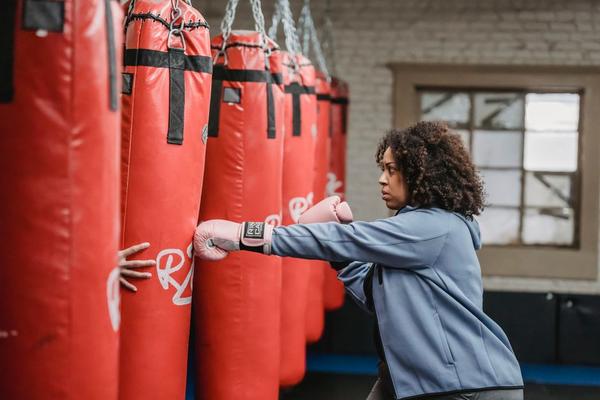
Boxing glove sizes can feel confusing when two gloves look almost identical but carry different ounce labels. A 12 oz pair might be comfortable on a heavy bag, while the same boxer may need 16 oz for sparring. The difference is not simply hand size: glove weight, training activity, body weight and fit all matter.
Choosing the right ounces is easier when you stop looking for one perfect number and instead consider what each pair needs to do.
What Do Boxing Glove Ounces Mean?
The ounce rating describes the nominal weight of each glove. One ounce is about 28 grams, so a 16 oz glove weighs roughly 454 grams. It is not a measurement of hand circumference, and it does not tell you exactly how thick the knuckle padding is.
Heavier gloves generally have more padding, but foam density, shape and construction vary. Two pairs marked 14 oz can feel quite different. More ounces do not guarantee better protection if the padding is worn, the fit is poor or the technique is unsafe.
Common Boxing Glove Sizes Explained
8 oz and 10 oz Gloves
These lighter gloves appear in some boxing competitions and may suit smaller athletes or specialized drills. They feel compact, but they are not automatically the best training boxing gloves for an adult beginner. Competition equipment must meet the event’s own rules.
12 oz Gloves
Twelve-ounce gloves are a common option for lighter adults practicing on pads and bags. Their smaller profile can feel comfortable during technique sessions, assuming there is enough space for wrapped hands. They are not automatically approved for sparring.
14 oz Gloves
Fourteen ounces offers a middle ground for general fitness boxing, heavy bags and focus mitts. Some clubs allow 14 oz gloves for carefully supervised sparring with lighter athletes, but many do not. Ask before using them against a partner.
16 oz Gloves
Sixteen ounces is a familiar adult sparring glove size. Many gyms require it because the gloves generally have fuller padding. That does not make sparring risk-free: technique, intensity, supervision and glove condition remain essential.
18 oz and 20 oz Gloves
Some heavier or harder-hitting boxers train or spar in 18 oz or 20 oz gloves when a coach recommends them. They are not compulsory simply because someone exceeds a particular body weight. Gym rules come first.
Choose Glove Weight by Training Purpose
For heavy-bag and pad workouts, many adults begin by comparing 12–16 oz gloves. A lighter model may feel more responsive, while a heavier one often feels more cushioned. Your coach can help balance technique, comfort and workload.
Sparring changes the calculation because someone else absorbs the contact. Confirm your gym’s minimum weight before buying: 16 oz is common for adults, with heavier gloves sometimes required. A dedicated sparring pair also avoids wearing down its padding through repeated heavy-bag sessions.
Competition is different again. Amateur and professional rules can specify particular glove weights and approved equipment according to the organization and division. Check the current governing-body rulebook rather than assuming your regular gym gloves will qualify.
Boxing Gloves by Weight: Useful Starting Points
Body-weight charts can narrow the options, but they are only guides. A smaller adult might prefer 12 oz for pads and bags, a medium-sized adult might choose 14 oz, and a larger adult may compare 14 oz with 16 oz. Individual models fit differently, so the numbers are not strict thresholds.
For example, a boxer weighing 60 kg could start by trying 12 oz gloves for bag training. Someone weighing 85 kg might compare 14 oz and 16 oz. Both could still need 16 oz for sparring if their club requires it. Purpose takes priority over weight alone.
Children and teenagers should use age-appropriate equipment chosen with a qualified coach. Adult ounce charts do not automatically apply to junior training or contact activities.
Check the Hand Fit, Not Just the Ounces
Try on gloves while wearing your usual hand wraps. Your fingers should sit naturally, and you should be able to close a supported fist without sharp pressure across the knuckles. The thumb should not feel twisted or stretched.
Fasten the wrist closure and gently move your hand. Excessive sliding suggests too much room; tingling, cramped fingers or difficulty making a fist suggest too little. One manufacturer’s 16 oz glove may have a different hand compartment from another’s.
A boxing hand wraps guide can help explain how to wrap consistently before testing glove fit. Wraps provide support, but they cannot fix a poorly fitted glove or replace good punching technique.
Practical Example: Different Gloves for Different Days
Consider a 72 kg beginner who works the heavy bag twice a week and joins supervised sparring on Fridays. A comfortable 14 oz pair might work for bag-and-pad sessions, but the gym requires 16 oz for Friday’s partner drills.
The answer is not that 14 oz is wrong; it is that the sessions have different needs. Keeping a separate, well-maintained sparring pair is sensible. If the boxer can afford only one pair, checking gym requirements before purchase prevents wasted money.
Mistakes That Can Make Glove Selection Harder
First, do not treat ounces as standard hand sizes. Large hands do not automatically demand heavier gloves, and small hands do not necessarily belong in 10 oz gloves. Always check the individual fit.
Second, do not assume extra padding removes all risk. Gloves can deteriorate, and hard sparring can still cause injuries, including concussion. Contact should be controlled and supervised, whatever the weight.
Finally, avoid choosing very light gloves just to punch faster. Boxing footwork fundamentals and a beginner heavy bag workout are more useful areas to develop than chasing a smaller number on the label.
Frequently Asked Questions
Are 12 oz or 14 oz gloves better for beginners?
Either can work for bag or pad training. Twelve ounces may suit some lighter adults; 14 oz may suit those wanting a roomier-feeling training option. Fit and coaching advice matter more than a universal rule.
Is 16 oz always required for sparring?
No single rule applies worldwide, but 16 oz is common in adult gyms. Some clubs permit lighter gloves for certain controlled sessions or require heavier gloves. Follow the coach’s policy.
Can sparring gloves be used on a heavy bag?
Generally, yes, if the gloves are suitable for bag training. However, frequent bag work can compress padding. Regular sparring participants benefit from keeping their partner-contact gloves in good condition.
Does 16 oz mean a bigger hand compartment than 12 oz?
Not necessarily. Ounces indicate nominal glove weight, while the internal fit depends on the model. Try both with wraps rather than guessing from the label.
Finding the Right Balance
The simplest approach to boxing glove sizes is to match the ounces to your activity, then check the fit. For many adults, 12–14 oz is a reasonable starting range for bag and pad work, while 16 oz is common for supervised sparring. Treat charts as starting points, follow gym rules and replace gloves when their protective padding deteriorates.
