

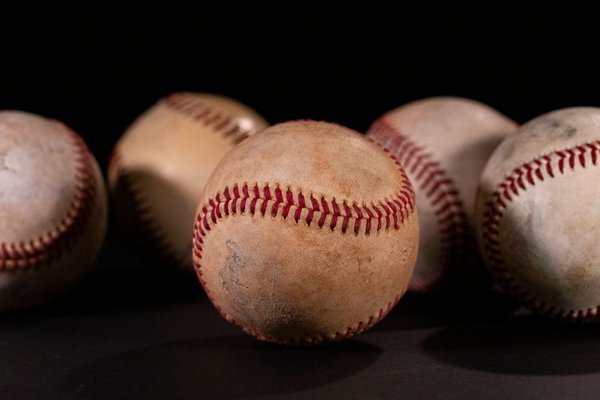
Baseball in the early twentieth century looked familiar, yet runs were created very differently. From roughly 1901 through 1919, the dead ball era rewarded pitching, fielding, speed, placement, and patience far more than home-run power. A single run could shape an entire game.
The name suggests everything came down to a lifeless baseball, but the reality was more complicated. Worn balls mattered, yet rule changes, better defense, stronger pitching, large ballparks, and tactical habits also suppressed offense.
What Was the Dead Ball Era?
Historians generally use the term for the period from 1901 through 1919, although the transition into the next era became clear in 1920. It coincided with the American League becoming a major league and the establishment of the two-league structure that defined twentieth-century baseball.
SABR research captures the offensive environment well. Across 1901–1919, major-league teams collectively hit about .254 with a .316 on-base percentage and a .332 slugging percentage. The average team scored about 3.9 runs per game and hit only around 0.15 home runs per game. Those deadball era stats explain why managers treated every base as valuable.
Why Was Scoring So Difficult?
Baseballs Stayed in Play Much Longer
Baseballs were replaced far less frequently than they are today. As a game progressed, a ball could become scuffed, stained, softened, and harder for a batter to see. Pitchers also had much more freedom to manipulate it. Spitballs and other doctored pitches could create extra movement while making the ball darker.
This does not mean every game literally used one baseball from the first pitch to the last out. It means teams and umpires kept worn balls in play much longer than modern fans would expect, reducing the advantage of hitting a clean, firm ball.
Pitching and Defense Had Improved
Fielding gloves became standard, errors declined, and teams grew better at turning balls in play into outs. Elite pitchers such as Christy Mathewson, Walter Johnson, Ed Walsh, and Eddie Plank also took advantage of favorable conditions.
A rules change also mattered. The National League began counting most foul balls as strikes in 1901, and the American League followed in 1903, except when the batter already had two strikes. SABR research shows strikeout rates rose sharply after the change, making it harder for hitters simply to stay alive at the plate.
Why Small Ball Made Sense
When home runs are rare and one run can decide a game, sacrificing an out to move a runner becomes more logical. Managers leaned on bunts, stolen bases, hit-and-run plays, aggressive baserunning, and contact hitting. This is the heart of small ball history: strategy reflected the scoring environment.
Imagine a runner reaching first in the seventh inning of a 1–1 game. A modern team might wait for an extra-base hit. A dead-ball manager was more likely to bunt the runner to second and trust the next hitter to put the ball in play. Giving up an out could be acceptable because waiting for a three-run homer was often unrealistic.
Stars such as Ty Cobb, Tris Speaker, Eddie Collins, Honus Wagner, and Shoeless Joe Jackson thrived in this style. They could hit for average, run, pressure defenses, and contribute in the field. Power existed, but it was not yet the organizing principle of offense.
The Ball Was Only Part of the Explanation
It is tempting to think baseball simply introduced a much livelier ball in 1920 and transformed the sport overnight. The history is less tidy. A cork-centered ball had already appeared around 1910, yet low-scoring tactics continued. Large and irregular ballparks also limited easy home runs, while improved fielding reduced the reward for merely putting the ball in play.
What Ended the Dead Ball Era?
The transition gathered force around 1919 and 1920. Baseball moved to restrict doctored pitches, the spitball was banned for most pitchers, and dirty or damaged baseballs were replaced more regularly. Those changes reduced important advantages pitchers had enjoyed.
The death of Cleveland shortstop Ray Chapman in August 1920 after he was hit in the head by a pitch also heightened concern about dark, difficult-to-see baseballs. Cleaner balls became part of the new environment, although the move against doctored and worn baseballs was already underway.
Then came Babe Ruth. As a full-time position player in 1919, Ruth hit a then-record 29 home runs. In 1920, his first season with the Yankees, he hit 54. His success showed that a hitter could create runs efficiently by driving the ball for power instead of always playing for one base at a time.
How the Live Ball Era Changed the Game
The live ball era did not eliminate bunting, stealing, defense, or pitching, but it changed the incentives. In the American League, scoring rose from 4.10 runs per team game in 1919 to 4.76 in 1920, while league home runs increased from 240 to 369. Power became a much larger part of lineup construction and spectator appeal.
The dead-ball game prized sequences: reach base, move the runner, force the defense to execute. The newer style made one swing far more capable of overturning the score.
Why the Era Still Matters
The dead ball era shows how strongly rules and equipment shape strategy. Players did not suddenly become smarter in 1920. The incentives changed. Cleaner baseballs, tighter restrictions on ball doctoring, changing hitting philosophy, and Ruth’s example collectively made power more valuable.
That context matters when comparing players across generations. Judging a dead-ball hitter only by home-run totals misses what his league rewarded, just as evaluating a pitcher without considering the low-scoring environment can exaggerate comparisons with later eras.
Frequently Asked Questions
When did the dead ball era begin and end?
It is most commonly dated from 1901 through 1919. The shift into the live ball era became unmistakable in 1920 as ball-handling practices changed, spitballs were restricted, and home-run hitting accelerated.
Why was it called the dead ball era?
The term reflects both low scoring and baseballs that could become soft, dirty, and less lively after extended use. Pitching, defense, rules, and park dimensions were also major factors.
Were home runs rare?
Yes. Home runs occurred far less frequently than in later decades, so teams relied more heavily on contact, speed, sacrifices, and baserunning to manufacture runs.
Did Babe Ruth end the era by himself?
No. Ruth was the most visible symbol of the change, but stricter rules on doctored balls, more frequent replacement of worn baseballs, and a broader shift toward power hitting all contributed.
A Different Version of the Same Game
The dead ball era was not primitive baseball waiting to be rescued by the home run. It was a coherent version of the sport shaped by its own rules and conditions. Pitchers held advantages that later disappeared, defenses became increasingly reliable, and offenses responded by squeezing value from every base. When equipment practices, pitching rules, and hitting philosophy changed around 1920, the game’s logic changed with them. That is why the era remains one of baseball history’s clearest examples of a sport reinventing itself without losing its basic identity.
