

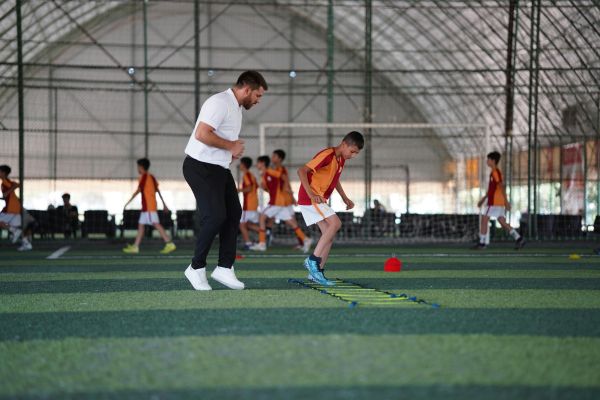
Youth sports can be exciting, social, and deeply rewarding. They give children the chance to build confidence, learn teamwork, develop discipline, and discover what their bodies can do. Yet the same environment can also create pressure. A close game, an important trial, demanding expectations, or fear of disappointing adults can turn an enjoyable activity into a source of anxiety.
Pressure is not always harmful. A manageable amount can help young athletes focus and perform with energy. Problems begin when pressure feels constant, overwhelming, or connected to a child’s sense of worth. Understanding how to handle youth sports pressure requires more than telling a young athlete to relax. It involves recognizing where the stress comes from, teaching practical coping skills, and creating an environment where effort matters more than perfection.
Recognize What Pressure Looks Like
Not every child says, “I feel pressured.” Some become quiet before games, while others complain of headaches, stomach pain, or tiredness. A young athlete may become irritable, lose interest in practice, struggle to sleep, or react strongly to small mistakes.
Performance can change too. A child who usually plays confidently may suddenly hesitate, avoid taking risks, or seem afraid of making the wrong decision. In some cases, the athlete becomes overly serious and starts treating every training session like a test.
Parents and coaches should pay attention to patterns rather than one difficult day. Nervousness before a competition is normal. Ongoing anxiety, repeated physical complaints, or a growing desire to avoid the sport may suggest that the pressure has become unhealthy.
Recognizing these signs early makes it easier to respond before the child feels completely overwhelmed.
Understand Where the Pressure Comes From
Youth sports pressure can come from several directions. Coaches may expect strong performance. Teammates may compete for positions. Parents may invest time, money, and emotion into the child’s progress. Social media can add another layer, especially when young athletes compare themselves with highly edited highlights of others.
Children also create pressure internally. A young athlete may believe they must score, win, or impress everyone to prove that they belong. Perfectionistic children can be especially hard on themselves, even when the adults around them are supportive.
Sometimes pressure grows from uncertainty. A player may worry about being dropped from the team, losing playing time, or making a mistake in front of an audience. Older athletes may also feel anxious about school teams, selections, scholarships, or future opportunities.
Before trying to solve the problem, it helps to understand its source. A child who fears an angry coach needs different support from one who is placing impossible expectations on themselves.
Make It Safe to Talk Honestly
Children are more likely to discuss pressure when they believe they will be heard without being judged. If every complaint is answered with “You need to be tougher” or “Everyone gets nervous,” they may stop sharing what they feel.
Choose a calm moment away from practice or competition. Ask open questions about what feels difficult, what they enjoy, and what worries them most. Avoid interrupting or immediately offering solutions.
A child may say something that surprises you. They might enjoy the sport but dislike the team environment. They may fear disappointing a parent, even when no disappointment was intended. They may also be embarrassed about making mistakes in front of friends.
Listening does not mean agreeing with every interpretation. It means allowing the child to express the experience as they see it. That emotional safety can reduce pressure before any practical strategy is introduced.
Separate Identity From Performance
Young athletes often begin to link their value with their results. When they play well, they feel proud and accepted. When they struggle, they may believe they have failed as a person.
Adults can help by making it clear that performance is something a child does, not who they are. A missed penalty, slow race, or disappointing match does not change their character or their place in the family.
Conversations at home should not revolve entirely around sport. Ask about friendships, school, interests, and other parts of life. Celebrate qualities such as kindness, curiosity, responsibility, and humor alongside athletic achievement.
When children know they are valued regardless of the scoreboard, they are more willing to take healthy risks. They can play creatively instead of constantly protecting themselves from failure.
Focus on Controllable Actions
Pressure often increases when attention stays on things the athlete cannot fully control. Winning, selection decisions, an opponent’s performance, referee calls, and crowd reactions are unpredictable.
Young athletes can regain a sense of control by focusing on their own preparation and behavior. They can control effort, communication, concentration, warm-up habits, and how they respond after a mistake.
Before a game, a child might choose one or two simple intentions, such as staying active, supporting teammates, or completing each movement with good technique. These goals are more useful than demanding a perfect result.
After the competition, discuss whether those actions were followed rather than examining only the final score. This teaches children that success can include good decisions and steady effort, even when the outcome is disappointing.
Teach Simple Calming Techniques
When pressure rises, the body reacts. Breathing becomes faster, muscles tighten, and thoughts may become scattered. Young athletes need practical techniques they can use before and during competition.
Slow breathing is one of the simplest tools. Taking a gentle breath in, pausing briefly, and breathing out slowly can help reduce physical tension. Practicing this at home makes it easier to use when emotions are high.
A short routine can also create stability. The athlete might adjust their equipment, take one breath, and repeat a simple phrase such as “Next play” or “Stay present.” The phrase should feel natural rather than forced.
Visualization can help some children. They can imagine starting calmly, responding to a mistake, or performing a familiar skill with confidence. The purpose is not to guarantee success. It is to make the situation feel less unfamiliar.
Change the Meaning of Mistakes
Mistakes feel more threatening when children believe they reveal a lack of ability. In reality, errors are part of every sport, including at elite levels.
Adults can respond to mistakes with curiosity rather than blame. Instead of asking, “How could you miss that?” ask what the athlete noticed and what they might try next time.
It is also useful to praise recovery. A child who makes an error and then returns to the game with focus has shown an important skill. That response deserves attention, even if the original mistake was costly.
Coaches and parents should avoid replaying errors repeatedly after a competition. Brief reflection can be helpful, but constant analysis can make a child relive the pressure long after the event has ended.
Learning to move forward is as valuable as learning the correct technique.
Keep Adult Emotions Under Control
Children notice how adults behave on the sidelines. Shouting instructions, arguing with officials, criticizing teammates, or showing visible frustration can increase pressure, even when the comments are not directed at the child.
A parent may believe they are expressing passion. The young athlete may experience it as a warning that mistakes are unacceptable.
Supportive sideline behavior is calm and encouraging. Let the coach provide technical direction. Parents can focus on effort, teamwork, and emotional support.
After the event, avoid turning the journey home into an immediate performance review. Give the child time to settle. A simple comment such as “I enjoyed watching you play” communicates support without adding demands.
Adults cannot remove every stressful moment, but they can avoid becoming another source of stress.
Balance Commitment With Recovery
Busy schedules can make normal sports pressure feel much heavier. School, homework, travel, training, competitions, and family responsibilities leave little room for rest.
Young athletes need sleep, unstructured time, and opportunities to enjoy activities outside their sport. Recovery supports both physical performance and emotional wellbeing.
A child who appears unmotivated may actually be exhausted. Persistent soreness, mood changes, poor sleep, and declining enthusiasm should not automatically be treated as a lack of discipline.
Rest days and breaks between seasons can protect long-term enjoyment. Playing multiple sports may also reduce the emotional intensity attached to one activity while developing a wider range of movement skills.
Commitment matters, but it should not require a child to ignore pain, anxiety, or exhaustion.
Know When More Support Is Needed
Most young athletes can manage pressure with communication, rest, and guidance. Sometimes, however, the anxiety continues or begins to affect other parts of life.
Professional support may be helpful when a child experiences frequent panic, ongoing sleep problems, extreme fear of competition, persistent sadness, disordered eating behaviors, or a complete loss of confidence. A qualified health professional or sports psychologist can help the athlete develop coping strategies in a private and supportive setting.
Seeking help should not be presented as a failure. Mental skills are part of sports development, just like strength, technique, and recovery.
Early support can prevent a temporary struggle from becoming a deeper problem.
Conclusion
Learning how to handle youth sports pressure begins with seeing the young athlete as a whole person rather than a collection of results. Children need room to compete, improve, struggle, and sometimes feel disappointed without believing that their worth has changed.
Parents and coaches can reduce unhealthy pressure by listening carefully, focusing on controllable actions, responding calmly to mistakes, and protecting time for recovery. They can also remind children that sport is only one part of a full life.
Pressure may never disappear completely, nor should it. Learning to manage nerves and uncertainty can build lasting confidence. The healthiest sports environment is one where young athletes feel challenged but supported, ambitious but safe, and free to enjoy the game even when the outcome is not perfect.
