

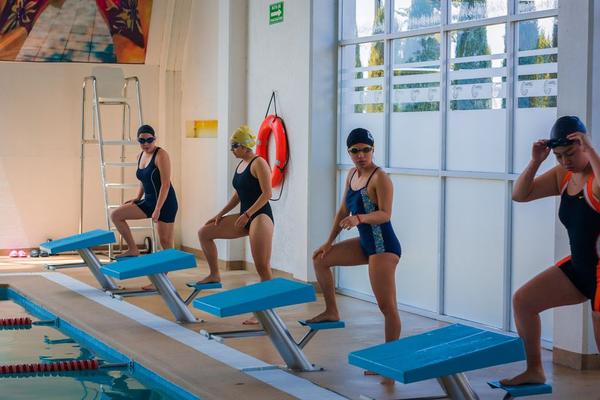
Race day swimming can feel like a long day built around a few seconds in the water. Between checking heat sheets, finding your lane and remembering what to pack, even confident swimmers can arrive at the blocks feeling rushed. Good swim meet preparation is less about a perfect ritual and more about removing avoidable surprises so you can focus on racing.
Plan the Final Training Days Without Overdoing It
Resist the temptation to squeeze in one last exhausting session. Fitness develops across weeks of training, not overnight. For an important competition, a coach may reduce training volume while retaining some faster swimming so the athlete arrives rested but still feels sharp. This is called a taper, and its length depends on the swimmer and meet.
For an ordinary weekend meet, a full taper may not be appropriate. Follow the team’s training schedule rather than copying an elite swimmer’s routine. Use the final sessions to practise starts, turns and stroke rhythm, then leave the pool knowing what your first race should feel like. Our swimming training plan guide can help put individual meets into a longer-term routine.
Protect Sleep and Keep the Evening Familiar
Set a realistic bedtime over several nights, especially when travel requires an early start. Prepare schoolwork, transport and meals in advance so the evening before the meet stays calm. Skip unfamiliar supplements, dramatic diet changes and extra workouts. If you’re unwell or injured, tell your coach instead of trying to push through.
Build a Swim Meet Checklist That Covers the Whole Day
Pack the bag the night before and check the venue’s instructions. Include a race suit, spare suit, two pairs of goggles, caps, towels, poolside footwear, warm clothes, water bottle, familiar snacks and any required team kit or identification. A small waterproof pouch helps keep dry clothes and electronics away from wet towels. Check that goggles fit, since a brand-new leaking pair is the last surprise you need.
Confirm Event Order, Arrival Time and Pool Rules
Read the meet information for warm-up sessions, check-in requirements, marshalling arrangements and restrictions on bags or seating. Event numbers are not clock times: a session can run early or late. Identify your first event and make a simple timeline working backward through arrival, coach briefing, swim warm up and reporting to the designated area.
For example, suppose a swimmer has the 100-metre freestyle in event 12. Rather than assuming it will happen at 10 a.m., the family checks session start time, estimated event progression and any heat sheet updates. They agree on a meeting point if the swimmer and parent become separated. This small plan prevents frantic searching when an event approaches.
Eat and Drink for Comfort, Not Experimentation
Choose a familiar meal that supplies carbohydrate, some protein and enough time to digest. A normal breakfast such as porridge and a banana, or toast with eggs, may work well if the swimmer already tolerates it. Larger meals generally need more digestion time; closer to the race, a smaller familiar snack may be easier.
Bring portable food for a long session and sip fluids regularly, particularly in a warm pool environment. Hunger, nerves and race timing vary, so avoid rigid rules about exact quantities. Heavy, greasy or unusually high-fibre foods immediately before racing can cause discomfort. Young swimmers do not need energy drinks or performance supplements as part of routine meet preparation.
Use a Purposeful, Flexible Swim Warm Up
Ask the coach about the warm-up plan before entering the pool. A typical progression starts with easy swimming, then stroke-specific movements and a few controlled bursts approaching race pace, with recovery between harder efforts. The aim is to feel ready, not exhausted. The correct distance and intensity depend on the swimmer’s fitness, event and access to lanes.
At crowded meets, warm-up lanes can be busy and some pools limit starts or sprinting to designated areas. Follow officials’ directions and never dive where diving is prohibited. If your race is much later, discuss a shorter re-warm-up or gentle dryland movement with the coach. Our freestyle technique drills guide offers ideas to practise during training, not untested changes on race morning.
Know What to Do Before Each Heat
Check the latest heat and lane assignment, then report when instructed. Keep a jacket or towel nearby while waiting, and listen for marshalling calls. Review one or two useful cues: a strong streamline off the wall, a controlled first length or a confident turn. Avoid trying to rebuild your entire stroke while standing behind the blocks.
Nerves are normal. Try a slow exhale, relax your shoulders and bring attention back to a task you can control. A swimmer racing butterfly might focus on a smooth first breakout rather than a personal-best time. A guide to swimming starts and turns can be useful in practice, but race day is for using skills already rehearsed.
Manage the Time Between Races
After an event, check in with the coach, drink when thirsty and eat a familiar snack if needed. If facilities and timing permit, an easy recovery swim may help the swimmer settle before the next event; otherwise, walk gently, stay warm and rest. Change out of wet clothes when practical, particularly during long breaks. One slower swim does not define the day.
Recover After the Final Race
When the session ends, replace fluids, eat a normal meal or substantial snack and change into dry clothing. Rest matters, especially after several events or a long journey. Note your times and coach’s feedback while memories are fresh, but save detailed technical changes for the next practice. Recovery should help you return to training, not become another competition.
Frequently Asked Questions
How early should I arrive at a swim meet?
Use the arrival and warm-up times published by the organiser or coach, allowing extra time for parking, changing and check-in. The first race may be well after the start of warm-up, so plan around the official schedule rather than guessing.
Should I train hard the day before a swim meet?
Usually, an extra hard workout is not helpful. Follow your coach’s plan, which may include light swimming or controlled speed work. The appropriate workload differs between routine meets and target competitions.
What should I eat between swimming events?
Choose easy-to-digest foods you know suit you, such as fruit, a sandwich or crackers, according to the time available before your next event. Drink regularly and avoid forcing a large meal immediately before racing.
What if I miss my swim warm up?
Tell your coach immediately. Depending on pool rules and available time, they may suggest a brief safe alternative. Do not enter closed lanes, dive without permission or rush into unsafe activity to make up lost minutes.
Make Preparation Repeatable
The strongest swim meet preparation plan is one you can repeat and adjust. Pack early, understand the event schedule, eat familiar foods and warm up with a clear purpose. After each meet, write down what made the day easier and what caused stress. Over time, a simple routine turns race day from a series of surprises into an opportunity to swim with confidence.
