

A sports nutrition meal plan should follow the work your body is about to do. A light technique session, a heavy lifting day, and a long endurance workout do not create identical fuel demands. Yet athletes often eat the same portions every day, then wonder why one workout feels sharp and another feels flat.
The solution is to build a reliable everyday eating pattern, then adjust carbohydrates, timing, fluids, and recovery food around training. You do not need a different recipe for every session. You need a plan that bends with your schedule.
Plan around the session before planning the menu
Start with your training calendar. Note when you exercise, how long sessions last, how demanding they are, and whether another workout follows within 24 hours. Add work, school, and the times when eating is realistic. This gives your athlete meal plan a useful structure.
On easier days, balanced meals may provide everything you need. A demanding endurance session or two-a-day schedule generally calls for more carbohydrate and deliberate recovery eating. Across all days, eat enough overall: consistently underfueling can disrupt health, recovery, and performance.
Build training day meals from the main nutrients
Carbohydrates supply adjustable fuel
Carbohydrate helps replenish muscle glycogen, making it especially useful for repeated hard efforts and longer sessions. Build meals around rice, potatoes, oats, bread, pasta, and fruit. As a broad guide, light activity might call for roughly 3–5 grams per kilogram of body weight daily, while moderate training may require about 5–7 grams. High-volume endurance schedules can demand more. These are planning ranges, not fixed prescriptions.
Adjust portions across the day instead of squeezing all your fuel into one pre-workout snack. Extra oats at breakfast and rice at dinner can make a noticeable difference.
Protein supports repair throughout the day
Protein helps maintain and rebuild muscle. Many active adults can use approximately 1.4–2.0 grams per kilogram of body weight per day as a general target, with individual needs varying. Spread it across meals instead of relying on one shake. Eggs, yogurt, fish, poultry, tofu, beans, and lentils all have a place in a practical sports diet.
Fats and colorful foods complete the plan
Olive oil, nuts, seeds, avocado, and oily fish provide dietary fat, while vegetables and fruit contribute fiber and micronutrients. Do not eliminate fat to make room for protein. Keep large, fatty meals away from intense sessions if they upset your stomach.
Time food around training without chasing perfection
Before exercise
A meal two to four hours before training can combine carbohydrate, moderate protein, and foods you digest comfortably. If the gap is longer, try a banana or toast closer to the start. Someone training at dawn may prefer a small snack and a full breakfast afterward.
If early sessions are difficult, keep a short rotation of pre-workout breakfast ideas rather than experimenting on a demanding training day.
During exercise
For most easy sessions under an hour, extra carbohydrate during exercise is unnecessary. When sustained exercise extends beyond roughly 60–90 minutes, carbohydrate may help maintain performance; around 30–60 grams per hour is a common starting range for longer efforts. Very prolonged events may need higher intakes, but those require practice and individual planning.
After exercise
Eat a meal or snack containing protein and carbohydrate once practical. A rice bowl with chicken and vegetables or yogurt with cereal and fruit addresses both repair and refueling. Recovery becomes more time-sensitive when another demanding session follows soon. With several hours before your next workout, a normal meal is often sufficient.
Keep a collection of post-workout recovery meals you can prepare in advance so the next meal is not an afterthought.
Example: an evening training-day menu
Imagine an athlete working during the day and attending a challenging 75-minute team practice at 6 p.m. Their routine could look like this:
Breakfast at 7:30 a.m.: oats with milk or fortified soy drink, yogurt, berries, and a few nuts. The oats and fruit provide carbohydrate, with protein from the dairy or soy foods.
Lunch at 12:30 p.m.: rice with chicken, tofu, or beans, cooked vegetables, and olive-oil dressing. Add more rice when practice will be particularly demanding.
Snack at 4:30 p.m.: a banana and toast, or another familiar carbohydrate-rich option. Keep it light if a full stomach affects practice.
During practice: bring water and drink according to conditions, sweat losses, and thirst. Extra carbohydrate or sodium may be useful for longer, hotter, or more demanding sessions.
Dinner after practice: pasta with a protein-rich sauce, vegetables, and fruit. If dinner will be delayed, pack yogurt and a sandwich.
This framework is not a fixed calorie prescription. Portion sizes depend on body size, workload, appetite, and goals. Preparing lunch and packing the snack the night before removes two common reasons athletes miss their fuel.
Give hydration its own place in the schedule
Start sessions normally hydrated and keep fluids accessible. Needs vary with heat, humidity, clothing, and sweat rate; there is no universal number of bottles everyone must finish. For prolonged sweaty exercise, fluids containing sodium may replace some losses. Avoid forcing excessive water, which can be dangerous.
If hydration remains difficult, explore hydration for athletes and test a personalized approach during routine training.
Adjust the plan as training changes
Review your performance nutrition routine weekly. On lighter days, reduce unnecessary sports snacks while keeping balanced meals and adequate protein. On harder days, increase carbohydrate availability before and after training. Rest days still require enough energy to recover.
Persistent fatigue, repeated injuries, poor recovery, or unusual changes in menstrual function deserve professional attention. A sports dietitian or qualified healthcare professional can help, particularly for younger athletes or anyone with medical or eating-related concerns.
Frequently asked questions
Do I need to count calories for a sports nutrition meal plan?
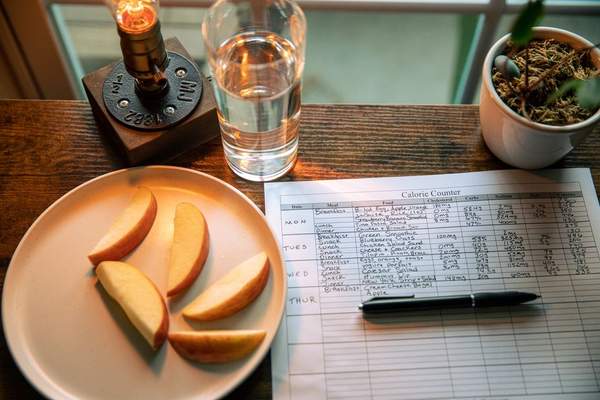
Not necessarily. Consistent meals, carbohydrate adjustments, and attention to recovery are a reasonable starting point. Detailed tracking may help in certain competitive settings but is not essential for everyone.
Should I eat differently on rest days?
Usually, adjust extra carbohydrate to match the lower workload while keeping balanced meals and adequate protein. Rest days still support muscle repair and glycogen replenishment, so do not skip meals.
Is a protein shake necessary after every workout?
No. A shake can be convenient, but ordinary food can provide enough protein. Your overall intake matters more than buying a specific recovery product.
What if training starts before breakfast?
Try a small, easily digested snack if you tolerate one, particularly before a demanding session. Eat a substantial breakfast afterward and adjust based on session length and comfort.
Make the plan repeatable
The best athlete meal plan is one that keeps you fueled when the schedule changes and provides dependable recovery meals. Start with a few repeatable dishes, increase fuel for demanding days, and refine the details as you learn what supports your training.
