

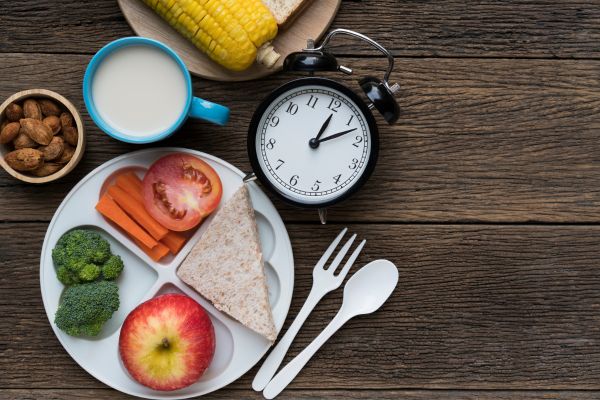
For athletes, food is never just food. It is fuel, recovery support, mental focus, and sometimes even the difference between feeling sharp or sluggish halfway through a session. The quality of an athlete’s diet matters, of course, but timing plays its own quiet role. Eating the right foods at the wrong time can leave the body heavy, underpowered, or uncomfortable. Eating at the right moment, on the other hand, can help training feel smoother and recovery feel more complete.
That is why meal timing for athletes has become such an important part of sports nutrition. It is not about following a rigid clock every single day or turning eating into a stressful routine. Athletes still live real lives, with school, work, travel, family, early practices, late games, and unexpected schedule changes. But understanding when the body needs energy most can help athletes make better choices around training and competition.
Good meal timing is less about perfection and more about rhythm. The body performs best when it is properly fueled before activity, supported during longer sessions, and replenished afterward.
Why Meal Timing Matters for Athletic Performance
Athletic performance depends on energy availability. Muscles need fuel to contract, the brain needs glucose to stay alert, and the body needs fluids and minerals to keep movement coordinated. When an athlete eats too little before training, performance may fade early. When they eat too much too close to activity, digestion can become uncomfortable.
Timing helps bridge the gap between nutrition and performance. A meal eaten several hours before training gives the body time to digest and store usable energy. A small snack closer to exercise can top up fuel without weighing the athlete down. A post-workout meal helps repair muscle tissue and replace energy stores that were used during effort.
This matters across sports. A runner may need enough carbohydrate to maintain pace. A football player may need steady energy for repeated bursts of speed. A swimmer may need a balanced pre-training meal that does not sit heavily in the stomach. Even strength athletes benefit from smart timing because lifting hard requires focus, muscle readiness, and adequate recovery.
Meal timing does not replace overall nutrition, but it makes good nutrition work better.
Eating Before Training or Competition
The pre-exercise meal is one of the most important parts of meal timing for athletes. Its purpose is simple: provide enough energy for the upcoming session while allowing enough time for digestion. The ideal timing depends on the size of the meal, the intensity of the activity, and the athlete’s individual tolerance.
A larger meal is usually best eaten about three to four hours before training or competition. This gives the stomach time to empty and the body time to convert food into usable fuel. A balanced pre-training meal often includes carbohydrates for energy, moderate protein for muscle support, and a smaller amount of fat and fiber to avoid digestive heaviness.
Carbohydrates are especially useful before exercise because they help maintain blood sugar and support muscle glycogen, which is the stored form of carbohydrate in the muscles. Foods like rice, pasta, potatoes, oats, bread, fruit, and cereal can all work well depending on the athlete’s preferences and culture. Protein can come from eggs, yogurt, chicken, fish, beans, lentils, or other familiar foods.
The key is comfort. Some athletes can eat a full meal three hours before activity and feel excellent. Others need four hours. Some perform better with lighter foods. Learning this takes practice, not guesswork on competition day.
The Role of Pre-Workout Snacks
Not every athlete can eat a full meal several hours before training. Early morning practices, school schedules, work shifts, and travel can make ideal timing difficult. This is where a smaller pre-workout snack can help.
A snack eaten about thirty to ninety minutes before exercise should usually be easy to digest. It should provide quick energy without creating stomach discomfort. For many athletes, this means focusing mostly on carbohydrates with a small amount of protein if tolerated.
A banana, toast with a little nut butter, yogurt with fruit, a small bowl of cereal, dates, a smoothie, or a simple sandwich can be enough. The exact choice depends on the sport and the athlete’s stomach. High-fat, very spicy, or very heavy foods are usually not ideal close to intense exercise because they take longer to digest.
A short, light session may not require much food beforehand, especially if the athlete has eaten recently. But a hard session, long practice, or important competition usually feels better when the body has some fresh fuel available.
Timing Meals for Morning Athletes
Morning training creates a common challenge. Many athletes wake up with little appetite, limited time, or a sensitive stomach. Skipping food may seem easier, but it can lead to low energy, poor focus, or early fatigue, especially during longer or more intense sessions.
For early workouts, the best approach often depends on how demanding the session will be. A light technical practice may only need a small snack or drink beforehand. A hard interval workout, long run, swim set, or team practice may require more planning.
Some athletes do well with a small carbohydrate-rich snack shortly after waking. Others prefer something liquid, such as a smoothie or milk-based drink, because it feels easier than solid food. If eating early is difficult, the evening meal the night before becomes more important. A balanced dinner with enough carbohydrates can help prepare the body for morning training.
After morning exercise, breakfast becomes part of recovery. This meal should not be ignored. It helps replace energy, supports muscle repair, and sets the tone for the rest of the day.
Eating During Long Training Sessions
For short workouts, eating during exercise is usually unnecessary. Water may be enough, depending on the weather, sweat rate, and intensity. But for longer sessions, especially those lasting more than about an hour, mid-workout fueling can become important.
During extended exercise, the body gradually uses stored carbohydrate. As those stores drop, athletes may feel slower, weaker, or mentally flat. Taking in carbohydrates during longer activity can help maintain energy and delay fatigue.
This is common in endurance sports like distance running, cycling, rowing, swimming, and long training sessions for team sports. Some athletes use sports drinks, gels, fruit, chews, or easily digested snacks. The right option depends on what the athlete can tolerate while moving.
Hydration also matters here. Sweat loss can affect performance, especially in hot weather or indoor facilities with poor airflow. Athletes should pay attention to thirst, sweat rate, and signs of dehydration, such as headache, dizziness, or unusual fatigue.
Eating during exercise should be practiced in training. Competition is not the time to discover that a certain drink or snack does not agree with the stomach.
The Post-Workout Recovery Window
After training, the body enters a recovery phase. Muscles need to repair. Glycogen stores need to be refilled. Fluids need to be replaced. This is where post-workout meal timing becomes useful.
Athletes do not need to panic if they cannot eat immediately after every workout. The idea of a tiny “magic window” has often been overstated. Still, eating within a reasonable time after training is helpful, especially after hard, long, or repeated sessions.
A good post-workout meal usually includes carbohydrates and protein. Carbohydrates replace the energy used during exercise, while protein provides amino acids that support muscle repair and adaptation. For many athletes, eating within one to two hours after training works well. If another session is coming later the same day, recovery nutrition becomes even more important and should happen sooner.
A recovery meal does not need to be fancy. Rice with chicken or lentils, eggs with toast, yogurt with fruit and oats, a tuna sandwich, pasta with lean protein, or a smoothie with milk and fruit can all support recovery. What matters most is that the athlete actually eats enough.
Meal Timing on Competition Day
Competition day can make eating feel more complicated. Nerves may affect appetite. Travel may limit food options. Event schedules may shift. Athletes may worry about feeling too full or not having enough energy.
The safest rule is to avoid major experiments. Competition day meals should be familiar, comfortable, and already tested in training. An athlete who never eats oatmeal before practice should not suddenly try a large bowl before an important race. A player who usually eats lightly before games should not overload the stomach just because the event feels important.
The main meal before competition is often best eaten three to four hours beforehand. A smaller snack can be added closer to the event if needed. For tournaments, meets, or long game days, athletes may need small meals and snacks spread across several hours. The goal is steady energy, not one huge meal that leaves the body uncomfortable.
Hydration should begin early in the day rather than being rushed right before performance. Drinking too much at the last minute can feel uncomfortable and may interrupt warm-ups or focus.
Evening Training and Late Meals
Many athletes train in the evening. This can make meal timing tricky because a heavy dinner before practice may feel uncomfortable, but waiting until afterward may leave the athlete under-fueled.
A practical approach is to eat a balanced meal three to four hours before training, then have a small snack closer to the session if needed. After training, a lighter recovery meal or snack can help the body repair overnight. This is especially important if the athlete trained hard or has another session the next morning.
Some athletes avoid eating after evening workouts because they fear it is “too late.” But recovery does not stop just because the clock says nighttime. The body still needs nutrients. The meal can be lighter and easier to digest, but skipping it completely may slow recovery and leave the athlete waking up tired or hungry.
Listening to the Body Without Losing Structure
Meal timing for athletes should be structured, but not robotic. The body gives feedback. Some athletes feel strong after eating three hours before exercise. Others need more time. Some tolerate dairy well before training; others do not. Some need a snack before every session, while others only need one before harder days.
The best routine is built through observation. Athletes should notice how different meals affect energy, digestion, mood, and recovery. A food and training journal can help, even if it is simple. Patterns often become clear after a few weeks.
It is also important to remember that appetite can change with training load. Harder training often requires more fuel. Hot weather may reduce appetite but increase fluid needs. Injury recovery may change energy demands. Growth, especially in young athletes, can also increase hunger and nutritional needs.
Smart athletes learn to combine planning with flexibility. They do not ignore the clock, but they do not ignore the body either.
Conclusion
Meal timing is not about chasing perfect rules or eating by a stopwatch. It is about giving the body what it needs when it can use it best. For athletes, that means fueling before training, supporting energy during longer sessions, and making recovery meals a regular part of the routine.
The most effective approach is often simple: eat balanced meals, plan around training times, choose familiar foods before competition, and pay attention to how the body responds. Over time, these habits become natural. They help athletes train with more energy, recover with more consistency, and perform with greater confidence.
In the end, meal timing for athletes is really about respect for the work the body is doing. Training asks a lot. Good timing helps the body answer back.
