

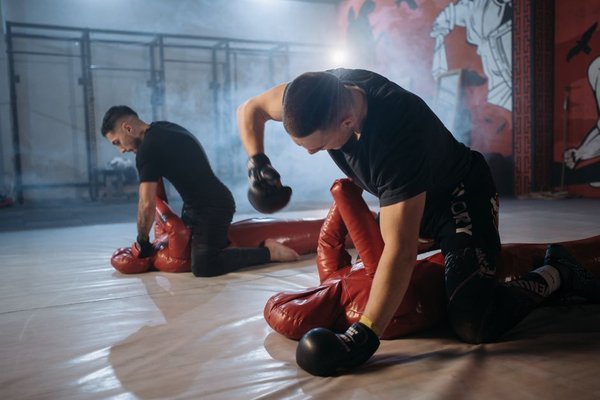
A takedown changes the geography of an MMA fight. The fighter on top can pin hips, restrict movement, and strike while the opponent tries to recover guard or stand. That combination is MMA ground and pound: using grappling control to create opportunities for legal punches and elbows on the mat. It is not simply throwing as many strikes as possible. The best sequences balance damage, stability, and escape risk.
Wrestling gets a fighter to the floor; striking forces a reaction; that reaction can open a pass, pin, or finish. Each action should support the next.
Why Position Matters More Than Punch Count
A fighter who swings wildly from the top may land once and lose balance. A fighter controlling the opponent’s shoulders and hips can deliver measured shots while limiting escapes. Effective MMA top control means controlling space, not merely occupying the higher position.
The constant trade-off is between keeping weight low for control and creating enough distance to strike. That is why good ground and pound often looks methodical rather than frantic.
Ground Positions and Striking Opportunities
Inside Closed Guard
Being on top inside closed guard is not automatically dominant. The bottom fighter can break posture, tie up wrists, attempt submissions, and sweep. Short punches may be available, but leaning forward invites head control, while sitting too upright can compromise balance. Passing guard may be the smarter priority.
Half Guard and Side Control
Half guard creates a contest over the trapped leg, underhooks, and head position. The top fighter may strike selectively while trying to free a knee. Side control removes the leg entanglement, yet the opponent can still frame, turn, or recover guard. Following the hips often matters more than landing one ambitious punch.
Mount
Mount can provide strong striking opportunities because the top fighter’s knees surround the torso. The bottom fighter must defend punches while seeking bridges and elbow-knee escapes. A high mount may restrict movement, but sitting too tall without a stable base creates rolling opportunities. Balance comes before longer combinations.
Back Control and Turtle
A turtled opponent may shield the face while exposing other legal targets. The attacker must avoid the prohibited back of the head and spine. Back control can also produce a choke, making submission pressure preferable to striking in some exchanges.
Ground and Pound Techniques That Work Together
The fundamentals are less dramatic than highlight reels suggest: stable base, controlled posture, and awareness of the opponent’s frames. Compact punches, short hooks, and legal elbows can all feature in MMA ground strikes, depending on the position and the governing rules.
A reliable rhythm is to establish control, create an opening, strike, and recover balance. A wrist tie may briefly occupy a defending arm, but the attacker must still account for the hips, other hand, and submission threats. Resetting after one accurate shot may be smarter than overreaching for several.
Ground strikes differ from standing combinations because there is less room to rotate and every extension changes leverage. Timing, contact, and balance matter as much as force. For context, wrestling takedown setups and MMA guard passing are natural companion topics.
The Strategic Choice: Strike, Pass, or Stand?
Imagine a wrestler settling into top half guard near the fence. The opponent gains an underhook and starts turning toward the cage to stand. A wide punch might free the opponent’s hips. Stabilizing the position, addressing the underhook, and then striking or advancing may offer better control.
This decision point separates effective offense from busy activity. Some shots force an opponent to cover up, creating passing opportunities. If the bottom fighter threatens a triangle or develops strong grips, changing position or disengaging may be the wiser move. Ground and pound is a tool, not an obligation to strike constantly.
Ground and Pound Defense: Create an Exit
Useful ground and pound defense starts before clean shots land. The bottom fighter protects the head, manages distance, controls striking arms, and keeps the hips mobile. Covering up without improving position can leave the same openings available repeatedly.
From guard, breaking the top fighter’s posture reduces striking room. From side control, frames may create space for a knee to recover guard. Under mount, coordinated bridges and elbow-knee movement can begin an escape, while random bucking often wastes energy. Near the fence, a fighter may establish a safe base and work upright.
Defense is active problem-solving: reduce effective shots while recovering a safer position. Understanding submission defense helps identify threats that appear during those escapes.
What Referees and Judges Look For
The Association of Boxing Commissions’ Unified Rules prioritize effective striking and grappling over simple positional control. Holding someone down without meaningful offense does not automatically win a round. The effects of legal strikes and productive grappling actions matter more than a stopwatch showing top time.
Referees assess whether the defending fighter can intelligently protect themselves. A sustained unanswered attack can cause a stoppage, but there is no fixed punch count. Referees may also stand fighters up if neither makes significant, sustained efforts to advance the action.
Strikes to the spine or back of the head are fouls. Under the current model Unified Rules, knees and kicks to the head of a grounded opponent are prohibited; a fighter is grounded when a body part other than the hands or feet touches the canvas. Commissions adopt rules individually, so event regulations may differ.
Training the Link Between Control and Striking
Practice should involve qualified coaching and controlled contact. One useful drill starts in top half guard with the bottom partner framing and attempting guard recovery. The top partner maintains balance while making light touches to approved targets; the bottom partner protects the head and seeks space.
Reset whenever the top partner loses position or the defender escapes. This rewards sound mechanics without requiring hard blows. It also teaches when to stop striking and improve position.
Frequently Asked Questions
What does ground and pound mean in MMA?
It means combining grappling control with legal strikes against an opponent on the ground, usually punches or elbows. Effective positioning helps maintain offense without giving away escapes.
Is ground and pound legal in every MMA promotion?
Ground striking is common in professional MMA, but permitted techniques vary by governing body and event. Competitors must know the rules that apply to their bout.
Does holding top position win an MMA round?
Not automatically. Judges prioritize impactful legal striking and effective grappling. Control is most persuasive when it produces meaningful attacks or positional improvements.
What is the best defense against ground and pound?
No single escape works everywhere. Head protection, posture control, frames, guard recovery, and standing are common priorities. The correct response depends on the position.
Putting the Pieces Together
Skilled MMA ground and pound connects takedowns, positional control, measured offense, and adjustments when the opponent reacts. Watch the hips and balance as closely as the punches. They reveal why one fighter can keep attacking while another loses position after a single shot.
